
Paint By Numbers Guide: 9 Steps to Creating Your Masterpiece
Paint By Numbers Guide: 9 Steps to Creating Your Masterpiece Table of Contents Welcome to the world of paint by numbers! This fun and
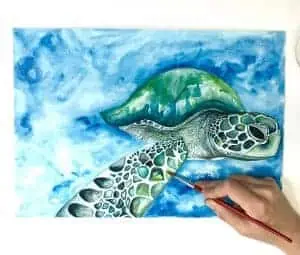
There are a few different techniques you can use for watercolour which equate to different styles of painting. If you are a beginner it best to experiment and try out different styles, then you can develop the style you enjoy the most.
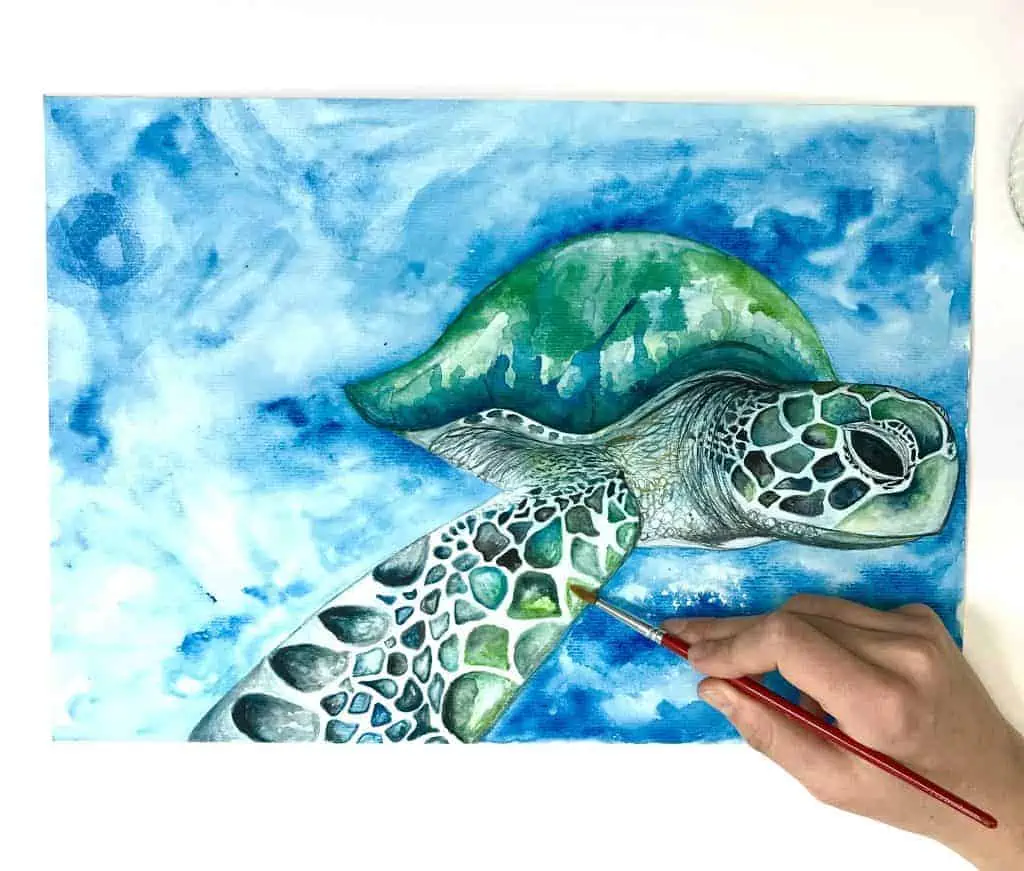
You can paint onto dry paper, this gives you more control over your painting. Useful if you are try to paint realistic and detailed. Something to remember when doing this is to work in layers building up the colours gradually and always remember you can’t add light colours on top of dark colours, so leave white space where you want to use light colours or white. It’s helpful to plan what you are painting because there is not much room for covering up mistakes with watercolour.
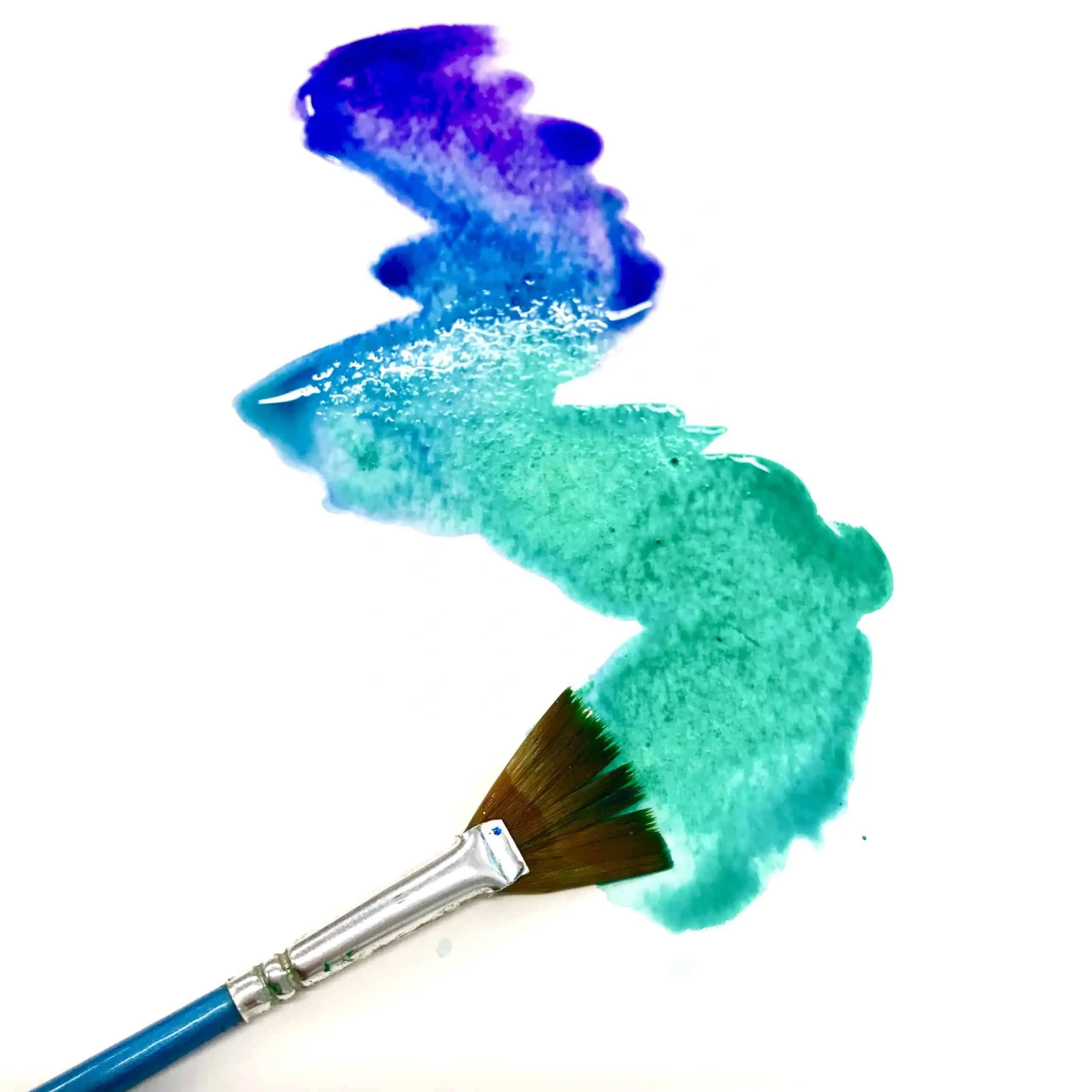
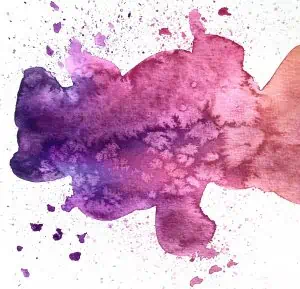
Painting wet on wet creates a more spontaneous effect causing the paints to bleed into each other. This can be really nice for backgrounds or more abstract pieces. For this use a large paint brush or a spray bottle to wet the paper first, then add your colours into the wet paper. You can move the paper around and let the water carry the colours around the page. We recommend soaking your paper first when using this technique.
Tip- Use kitchen paper when painting to soak up any excess water.
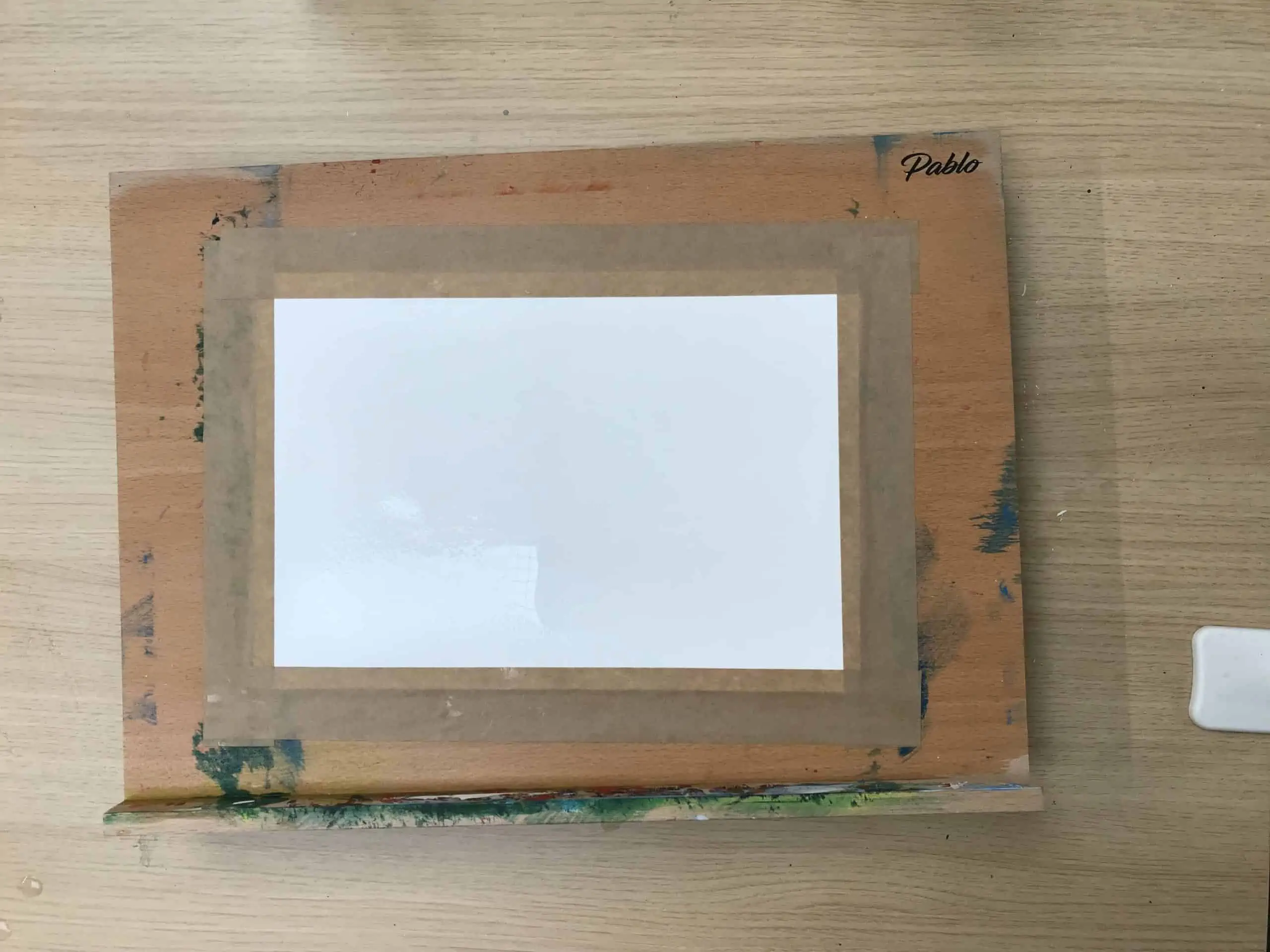
Use masking tape to hold your paper down in place, this will happen to keep the paper flat when you are adding water. Also using tape creates a boarded giving a nice professional finish
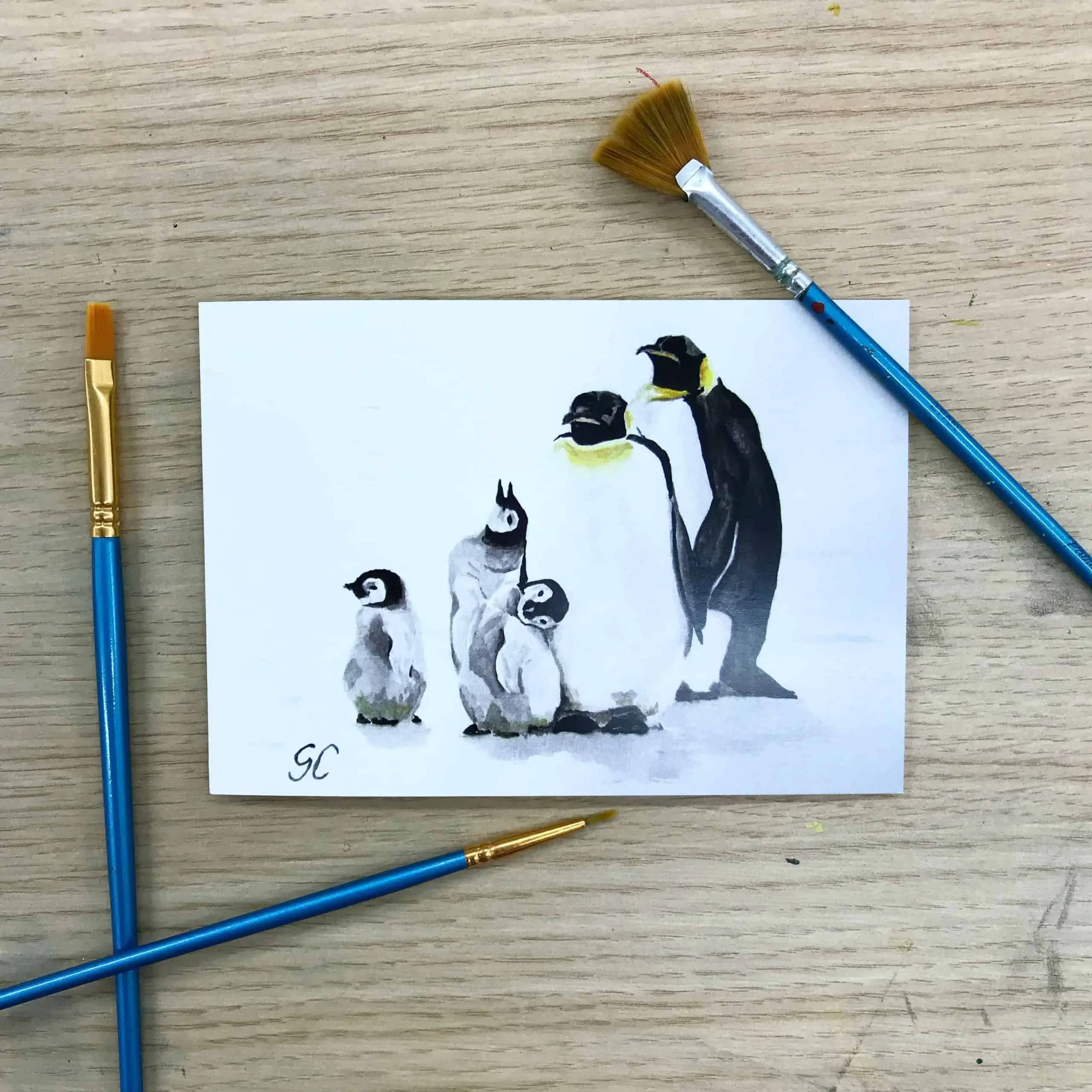
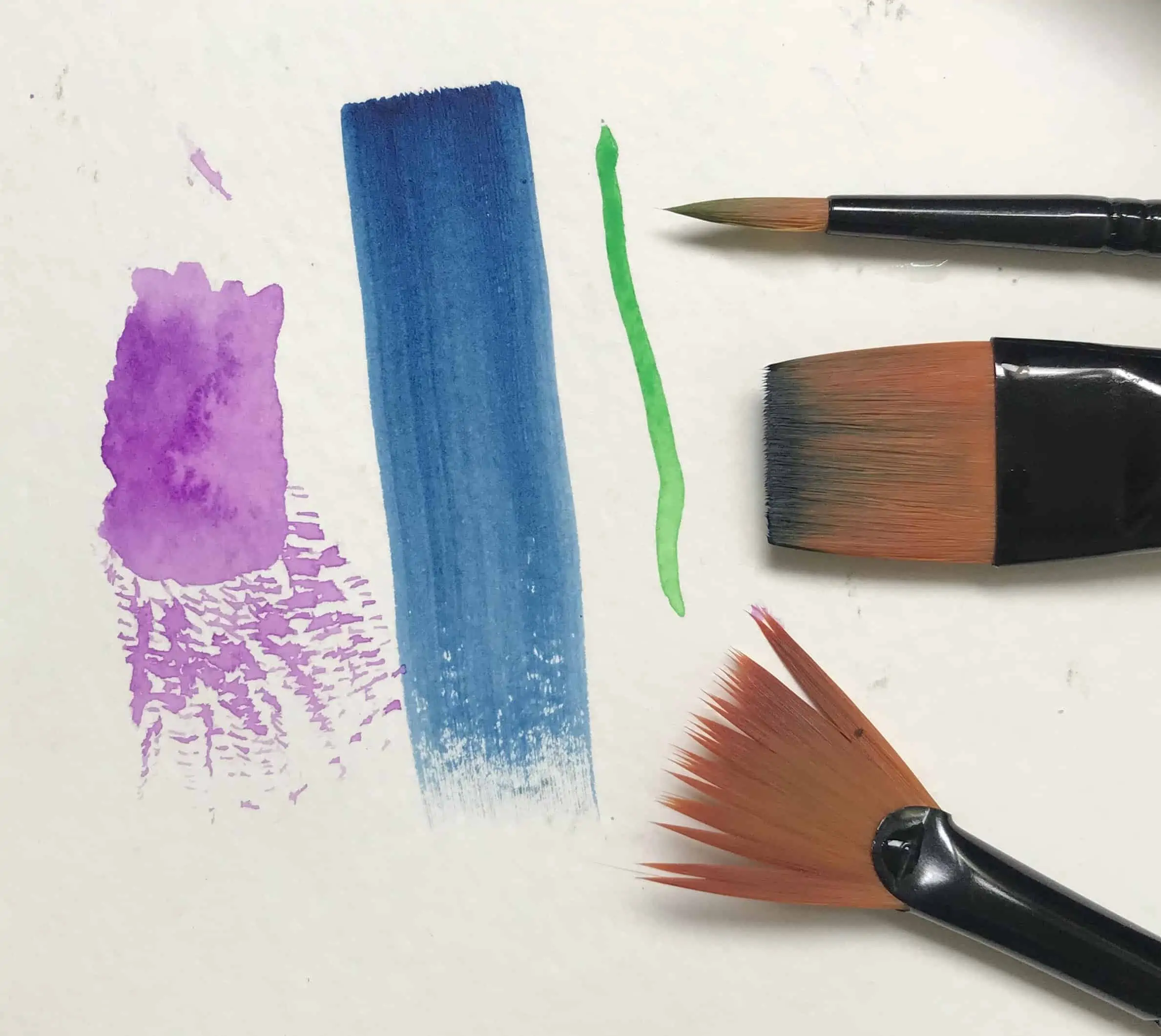
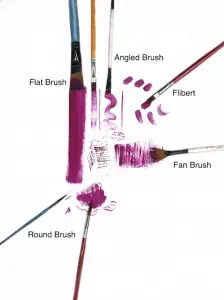
You can use synthetic taklon brushes for watercolour because they are nice and soft. It’s best to have a variety of brush sizes and shapes so you can cover large surface areas as well as getting in the finer details, different brushes can also create different effects and shapes.
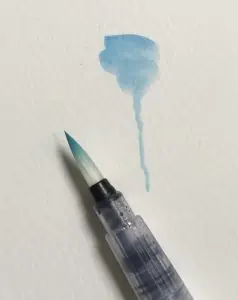
Having a water brush pen is great when traveling, so you don’t have to carry a little pot of water with you. It’s so easy to use, you can just squeeze the pen when you want more water. With it’s rounded shape it’s good for most paintings, use the whole of the brush for larger areas and just use the tip to add the finer details.
Try adding salt when the paint is wet, this can create a really cool effect. Let the paint dry with the salt on it, then simply brush the salt off when the paint is dry.
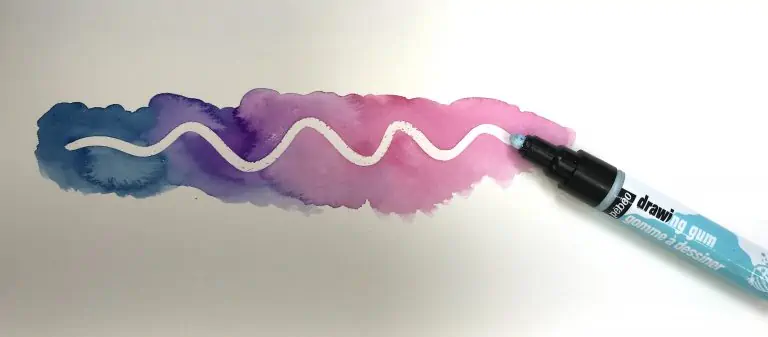
Tip– Drawing gum can to useful to mask out any areas you do not wish the paint to spread t
You can use drawing gum to mark out sections you want to keep white, this can be a really helpful tool to use to make sure you do not over lap your colours.
As a beginner have fun and experiment with a variety of different techniques before focusing on creating a full painting.
To make the most of your watercolour paper see our video guide on how to soak your paper. This will prepare your paper to absorb large amounts of water.

Paint By Numbers Guide: 9 Steps to Creating Your Masterpiece Table of Contents Welcome to the world of paint by numbers! This fun and

9 Things You Should Know About Gesso and How You Should Use It Table of Contents 1. What is Gesso? If you are starting out

An Introduction to Acrylic Paint & How to Get the Best From It Table of Contents Loved by artists and crafters all over the world,

Acrylic Varnish Spray: The Best Way to Protect Your Art Paintings Table of Contents As an artist, we know you have taken great time and
Still Water Reflection Welcome to the 30 Minute Masterpiece with me Trish Green – Artist Ambassador at Zieler. I am a self-taught artist aiming to

Zieler’s Art Portfolio Presentation Case & Art Folder – An All-In-One Solution! Imagine an art case that can double up as a portfolio case. One